Why Clicker Games Are Taking Over the Gaming World: A Deep Dive into Their Popularity
In the vast universe of video games, a phenomenon has emerged that has captivated millions of players worldwide: clicker games. Often dismissed as simplistic or casual, these titles are gaining traction and transforming the gaming landscape. As we delve deeper into why they are becoming so dominant, we explore not just their mechanics, but also the psychological and social factors at play.
The Rise of Clicker Games
Clicker games, often known as incremental games, are designed around a simple premise. Players click on objects to earn points or resources, which can then be used to buy upgrades, enhancing their clicking prowess. But, why have these games become not only popular but also a significant aspect of modern gaming culture?
1. Accessibility and Simplicity
One of the primary attractions of clicker games is their accessibility. Players of all ages can dive into these games without requiring an extensive learning curve. The mechanics are straightforward, making it easy to pick up and play. This simplicity widens the audience, attracting casual gamers who may find complex RPGs daunting.
2. Instant Gratification
In today's fast-paced world, the instant gratification that clicker games offer is extremely appealing. Players receive immediate rewards for their actions, creating a different kind of engaging experience when compared to more traditional gaming formats. Each click yields points, and players can see their progress almost instantly.
3. Compulsion Loop and Engagement
Clicker games are designed around a compelling reward loop. Players click, earn resources, and use those resources to unlock rewards. This repetitiveness, while simple, creates a sense of progression. The feeling of "just one more click" often keeps players engaged longer than they initially intended. When combined with beautiful graphics and sounds, this creates an addictive gameplay experience.
4. Community and Competition
Many clicker games offer social features, including leaderboards and challenges. This aspect fosters a sense of community among players. Competing against friends or global players can enhance the experience and make the game more exciting. In a world where isolation can be prevalent, these games create connections, even if they are virtual.
5. Strategic Depth Despite Simplicity
While they may seem simplistic at first glance, many clicker games offer layers of strategy. Players must decide how to spend their resources wisely and plan for future upgrades. Games like Puzzles and Dragons and the Three Kingdoms Series 2 require careful consideration, adding depth to the gameplay.
6. Evolution of Game Genres
As gaming evolves, so too do the genres. Clicker games represent a convergence of traditional gaming structures and modern, mobile-oriented gameplay. The rise of mobile gaming has brought a diverse audience into the fold, enabling genres like clicker games to thrive beyond the realm of hardcore gamers.
7. Monetization Strategies
Many clicker games utilize in-game purchases and ad systems that can generate significant revenue. Although players may criticize these tactics, they are undeniably effective. Free-to-play models allow users to experience the game without upfront costs, making it a lucrative business model in today’s gaming industry.
8. Psychological Appeal
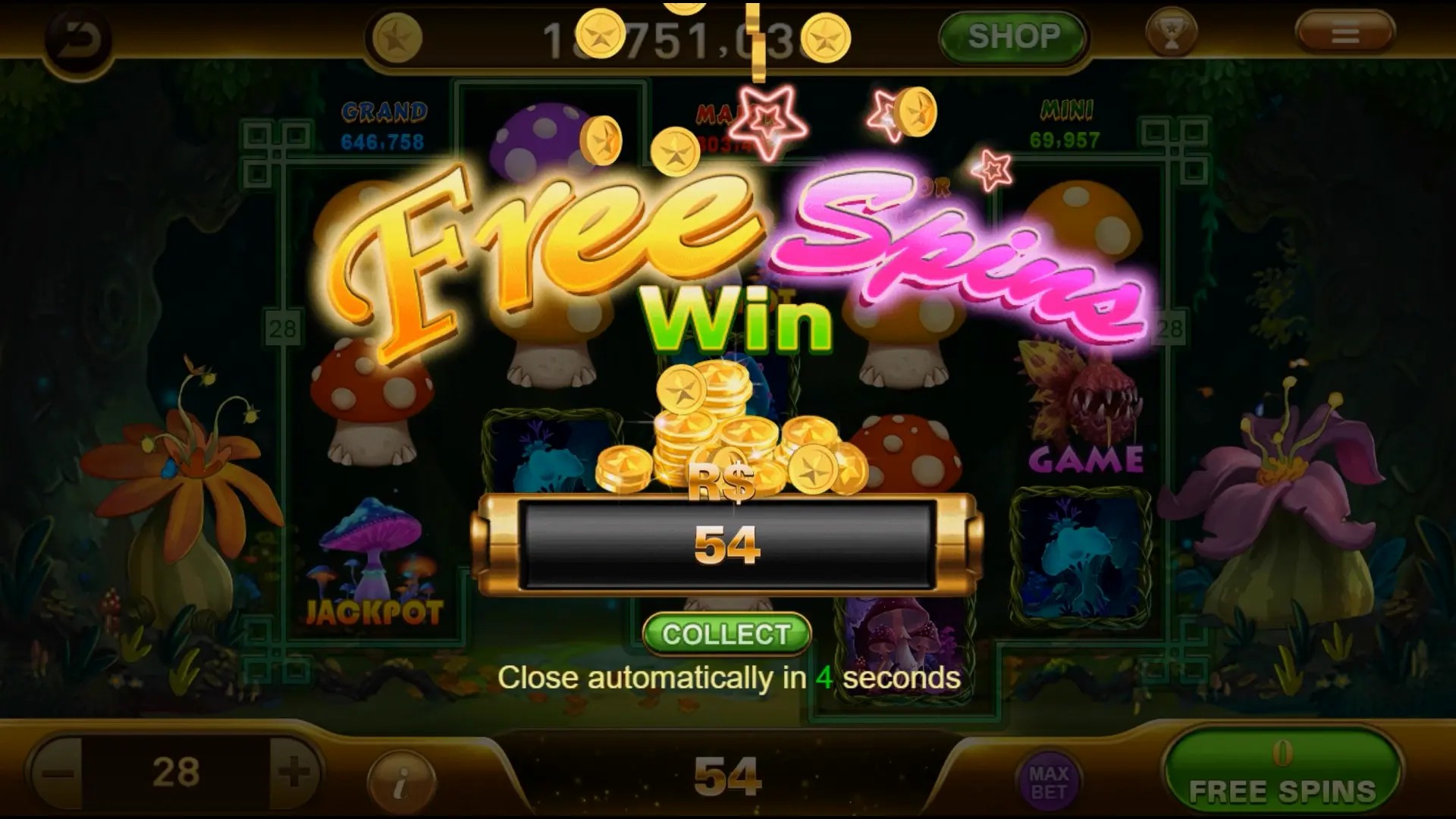
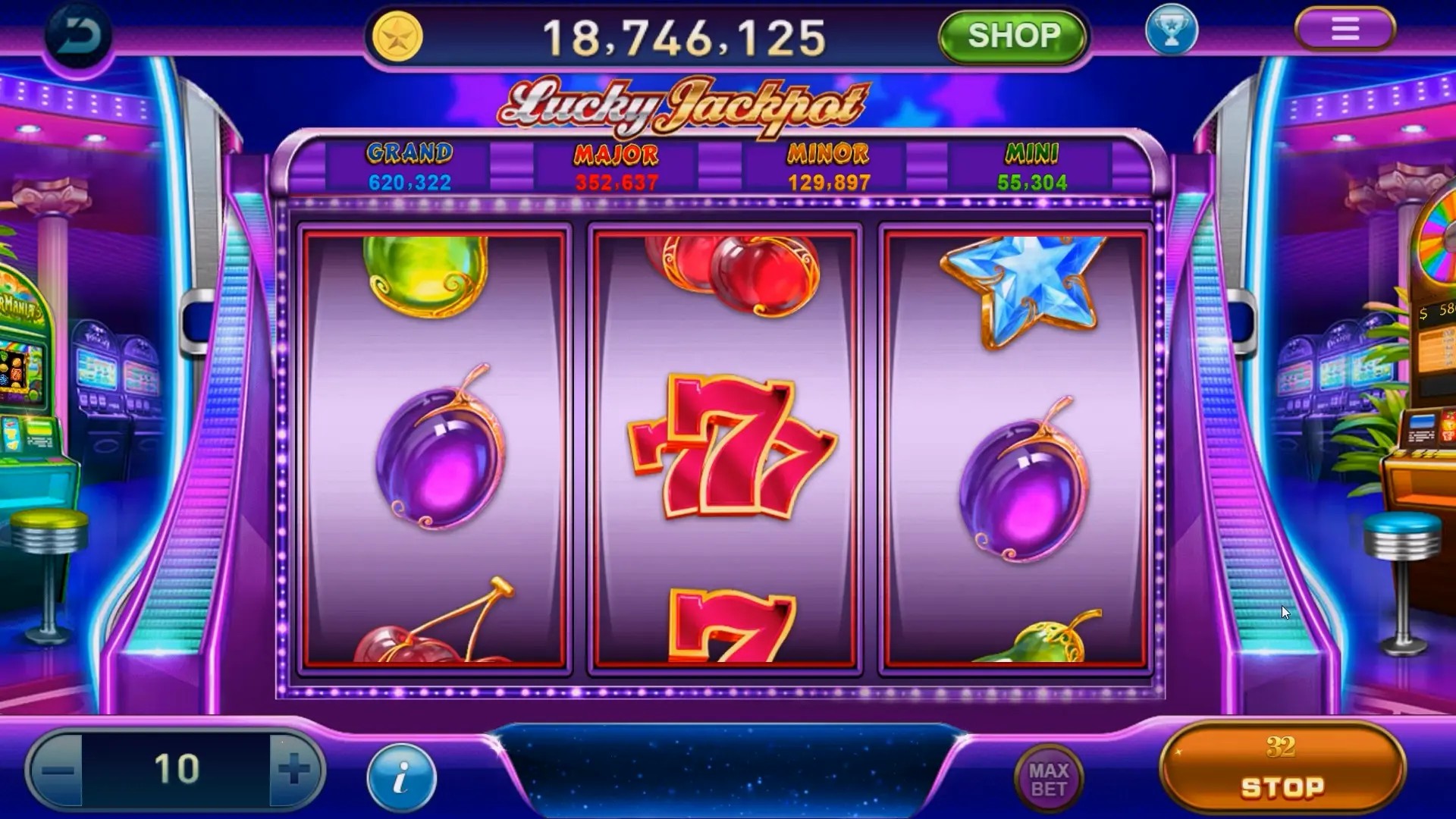
The psychology behind why we play clicker games is multi-faceted. The feeling of achievement from steady progress plays into our primal instincts. These games also utilize dopamine triggers, promoting a sense of happiness with each click and upgrade. It’s a little like a slot machine, where consistent engagement elicits feelings of excitement and accomplishment.
9. Clicker Games and the Future of Gaming
The remarkable ascent in clicker game popularity hints at a dynamic shift in gaming preferences. As developers innovate and diversify the genre, we can expect even more creative mechanics and storylines to emerge. Games that successfully blend the simplicity of clickers with engaging narratives may redefine what players seek in entertainment.
10. Critiques and Challenges
While many praise clicker games for their accessibility and engagement, they are not without their critiques. Some argue that they promote addictive behaviors and can lead to decreased attention spans in more complex games. Furthermore, the revenue generation model can lead to pay-to-win concerns among the gaming community.
11. Conclusion
The undeniable rise of clicker games is a testament to changing consumer demands and gaming landscapes. As the industry evolves, these games will continue to adapt and innovate, attracting an audience that craves simplicity but also relishes achievement. The question remains: will the clicker trend sustain its momentum or evolve into something entirely unique?
Engaging with clicker games offers both an escape and a community for players. As we look toward the future, the potential for this genre seems limitless. Whether you are new to gaming or a seasoned veteran, taking advantage of their allure might just lead you down an unexpected path of entertainment.
Key Takeaways
- Clicker games are accessible and easy to learn.
- They provide instant gratification and engage players with a compelling reward loop.
- Strategic depth exists even within their simplicity.
- Social features and competition keep players connected.
- Understanding their psychological appeal can enhance your gaming experience.
- They also present unique monetization challenges and critiques.
| Factor | Impact on Popularity |
|---|---|
| Accessibility | Wider Audience |
| Instant Rewards | Increases Engagement |
| Community Interaction | Fosters Connection |
| Strategic Depth | Encourages Long-term Play |
| Monetization Models | Generates Revenue |
Ultimately, the world of clicker games continues to evolve, inviting players from all walks of life into their vibrant and engaging realms. As this trend grows, it will undoubtedly shape the gaming industry in unprecedented ways.